
Minimally Invasive Dental Care: How Modern Dentists Treat Tooth Decay
The advent of minimally invasive dental care marks a significant shift from traditional practices, which often relied on more aggressive methods of treating tooth decay, such as drilling and filling. Modern dentistry emphasizes the preservation of tooth structure while preventing and treating cavities with minimal patient discomfort. This evolution in dental care reflects both technological advancements and a deeper understanding of disease prevention, focusing on patient-centered care with dentists for improved outcomes.
Tooth Decay Causes and Risk Factors
Tooth Decay Explained
Tooth decay, also known as dental caries or cavities, is a common oral health issue that entails the breakdown of tooth enamel, the hard outer surface of a tooth, due to acids produced by bacteria in the mouth. This process begins when food particles high in sugars and starches stick to the teeth, providing fuel for bacteria that produce acidic by-products. Over time, these acids can erode minerals in the enamel, forming tiny holes or cavities. If left untreated, decay can progress to deeper layers of the tooth, potentially causing pain, infection, and even tooth loss. The process of tooth decay is gradual, emphasizing the importance of early detection and intervention.
Common Causes of Tooth Decay
The primary cause of tooth decay is the formation of plaque, a sticky film of bacteria that constantly forms on teeth. When we consume sugary foods and beverages, bacteria in the plaque create acids that attack the tooth enamel. Poor oral hygiene exacerbates the problem, as failing to brush and floss regularly allows acids to further erode the enamel. Other contributing factors include dry mouth, which reduces saliva production that normally helps neutralize acids, and consuming a diet low in essential minerals and vitamins. Unchecked, these factors combine to create an environment ripe for decay.
Risk Factors
Certain groups are more susceptible to tooth decay due to specific risk factors, including age, diet, and certain medical conditions. For instance, children and older adults are at higher risk because of the immature and aging quality of their enamel, respectively. According to the American Dental Association, the average adult between the ages of 20 and 64 has three or more decayed or missing teeth, illustrating decay's prevalence and persistent nature. Lifestyle choices such as smoking and alcohol consumption also contribute to increased dental decay owing to their negative effects on oral health. Understanding these risk factors enables early intervention and tailored preventive strategies.
The Importance of Early Detection
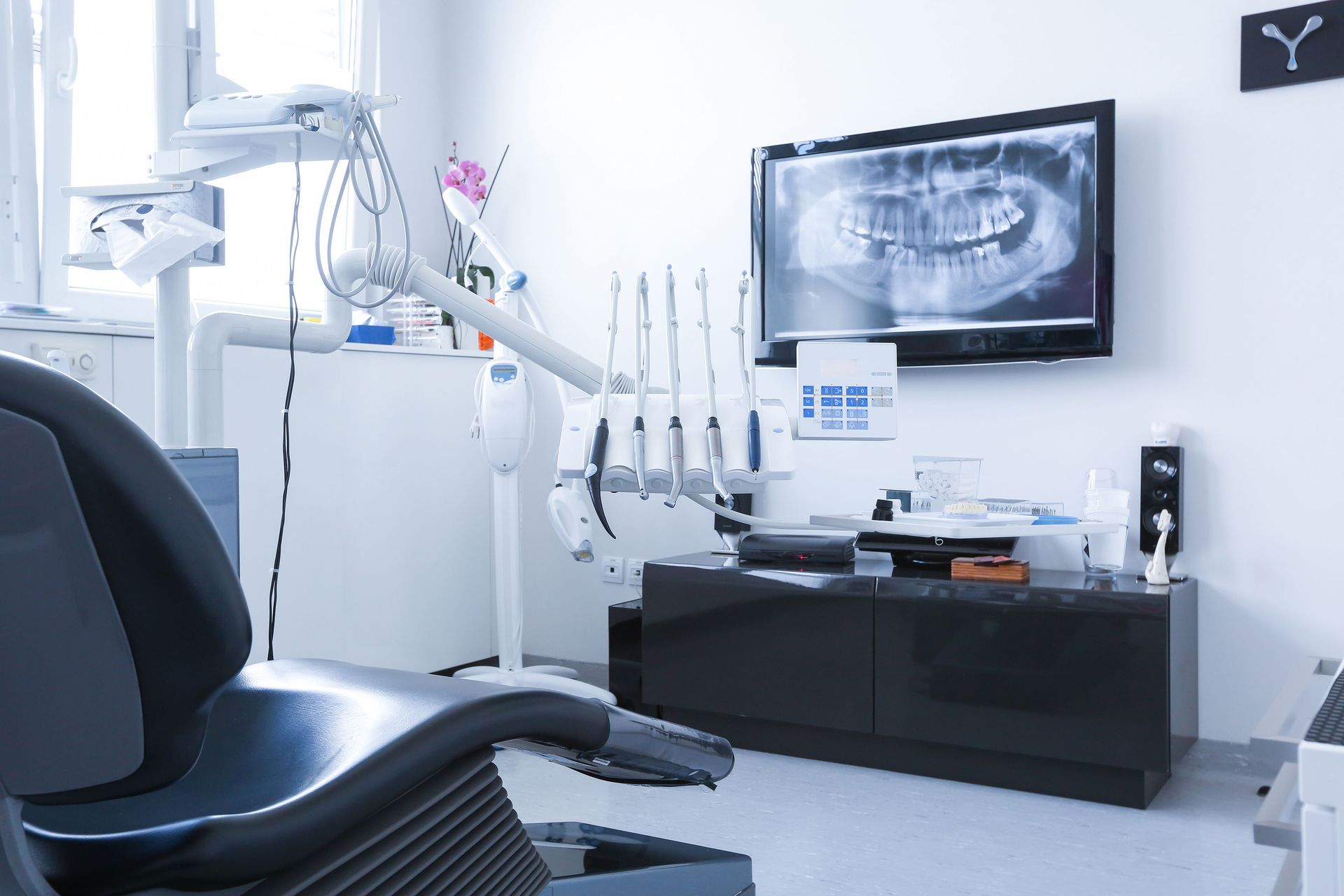
Early detection of tooth decay is crucial for preventing significant damage and maintaining oral health. Regular dental check-ups are essential as they allow for early detection of cavities before they enlarge and cause more serious damage. Dentists use specialized tools and imaging technologies to identify early signs, such as demineralized areas on the enamel, which can be treated effectively with fluoride applications and other non-invasive measures. Addressing tooth decay in its initial stages prevents the requirement for more invasive treatments, preserves tooth structure, and reduces discomfort for the patient. Early detection, therefore, plays a vital role in minimally invasive dental care.
Impacts of Untreated Tooth Decay
If tooth decay is not addressed in its early stages, it can lead to serious complications impacting both oral and overall health. Pain and discomfort are the most immediate effects, which can progress to severe infections requiring extensive treatment. Untreated decay can lead to abscesses, or pus-filled pockets, that may necessitate surgical intervention. Systemic health issues, such as heart disease and diabetes, are associated with poor oral health, highlighting the interconnected nature of our overall well-being. Therefore, it is essential to manage tooth decay promptly to avoid these potentially serious health issues.
Principles of Minimally Invasive Dentistry
Minimally Invasive Dentistry Defined
Minimally invasive dentistry is a treatment philosophy geared toward preserving natural tooth structure and enabling dental interventions with minimal patient discomfort. This approach focuses on prevention and encourages the use of techniques that limit the removal of healthy tooth tissue. Unlike traditional methods that may involve extensive drilling and filling, minimally invasive dentistry emphasizes treatments that are conservative and focused on maintaining the integrity of the tooth. Techniques such as fluoride application or remineralization therapy are favored as they halt the progression of early-stage decay without invasion. Ultimately, this aims to reduce the patient's emotional and physical burden while achieving optimal oral health results.
Core Objectives of Minimally Invasive Techniques
The fundamental objectives of minimally invasive dental techniques include preserving natural tooth structure, preventing disease progression, and enhancing the patient's overall dental experience. By focusing on early intervention and prevention, these techniques aim to treat oral conditions at their initial stages, reducing the need for extensive procedures. Minimally invasive methods also strive to improve patient comfort and address aesthetic concerns by using advanced materials that blend smoothly with natural teeth. These techniques encompass restorative dentistry innovations that are less intrusive and obtrusive, promoting a comfortable healing process. Through these methods, patients benefit from better long-term oral health outcomes while maintaining their natural smile.
Dental Material Innovations
Advances in dental material science play a critical role in the effectiveness of minimally invasive dentistry. New composite materials and bioactive glass allow dentists to perform restorations that mimic the properties of natural tooth structure, providing a seamless end result. These materials are designed to integrate biologically with natural teeth and promote remineralization, reinforcing weakened enamel without the need for extensive reshaping. Recent innovations also include resin infiltration techniques that allow shallow cavities to be halted and reversed by penetrating lesions and sealing them off from further decay-causing agents. These materials aid minimally invasive approaches by ensuring restorative outcomes that support both function and aesthetics without compromising health.
The Role of Patient Education
Patient education is a cornerstone of minimally invasive dentistry, emphasizing prevention and empowering individuals to take charge of their oral health. Educating patients about the importance of good oral hygiene practices, dietary choices, and regular dental checkups plays a crucial role in preventing tooth decay and reducing the need for invasive treatment procedures. Clear communication about techniques and expectation management greatly contributes to more effective treatment outcomes. By empowering patients with knowledge and strategies, dentists foster an environment in which oral health is seen as a shared responsibility. In this collaborative approach, prevention becomes a daily practice, guided by informed and engaged patients.
Aesthetics and Health
Balancing aesthetics and health is a significant aspect of minimally invasive dentistry as patients increasingly demand treatments that not only restore function but also enhance appearance. Modern materials and techniques allow dentists to offer solutions that meet aesthetic desires without compromising the structural integrity of the teeth. By focusing on preservation and reinforcing enamel, these methods ensure that the healthy tissue remains untouched. Furthermore, advances in tooth-whitening techniques, veneers, and invisible aligners enable dentists to address aesthetic concerns harmoniously. Ultimately, the objective of minimally invasive methods is to provide patients with healthy, beautiful smiles that endure.
Minimally invasive dentistry revolutionizes oral healthcare by prioritizing prevention, early detection, and maximum preservation of natural tooth structure. By blending advanced materials with patient education, this modern approach effectively halts decay while minimizing discomfort. Ultimately, conservative dental interventions balance health and aesthetics, ensuring longer-lasting, natural smiles through comprehensive, patient-centered care. Contact our office at Shoreview Dental today to get started with our dental services.

Share On: