
How Your Local Dentist Spots Gum Disease
Understanding gum disease and its potential impact on overall health is crucial. The initial development of periodontal conditions often occurs quietly, without causing significant pain or obvious discomfort to the individual. Because these changes happen so gradually beneath the surface of the mouth, people frequently overlook the subtle shifts in their oral tissues until the condition has reached a more advanced stage. Professional intervention plays a vital role in identifying early signs of this swelling and breakdown, ensuring that patients receive timely care before permanent damage occurs to the underlying structures.
Regular clinical evaluations are essential for early detection and the prevention of potential complications that can affect the entire body. By delving into both traditional and advanced diagnostic procedures, we gain insights into maintaining optimal oral health and protecting ourselves from systemic inflammatory risks. When a patient skips these regular visits, they lose the opportunity to catch silent infections that could eventually lead to loose teeth or bone loss. Through a comprehensive approach, a local dentist can map out the precise status of a patient's mouth and create a customized plan to restore long-term health.
Reviewing Complete Patient Health Histories
Evaluating a person's medical background is a foundational step in identifying specific risk factors that make someone vulnerable to periodontal issues. Dentists engage in detailed discussions with patients about their current oral health and any previous dental struggles they have encountered over the years. Past episodes of swelling, frequent cavities, or structural issues can indicate a strong predisposition to developing deeper infections in the future. Understanding a patient's dental history allows a local dentist to tailor preventative strategies that specifically address these long-standing vulnerabilities rather than just treating current symptoms.
Investigating these risk factors also involves examining a patient's daily lifestyle habits that may significantly affect their oral immunity and healing capabilities. Smoking, for instance, is a major contributor to severe tissue breakdown, and clinical teams encourage cessation to improve healing outcomes after therapy. Similarly, poor dietary habits can contribute to a rapid buildup of plaque, leading to superficial inflammation if the daily routine is not managed properly.
Assessing Gum Tissue and Bleeding Tendencies
The primary physical evaluation provides an immediate look at the current state of the oral tissues and helps pinpoint active areas of infection. Dental professionals look carefully for symptoms such as redness and swelling in the margins, which serve as clear indicators of active localized inflammation. Redness can be the earliest sign of gingivitis, which represents the mildest and most reversible form of periodontal disease. Practitioners are highly trained to spot subtle changes in tissue coloration and texture, such as a loss of the healthy stippled appearance, which the untrained eye might easily miss.
Aside from redness and swelling, tissue recession is another key indicator that professionals watch for during the physical assessment. Recession exposes the sensitive roots of the teeth, making them far more susceptible to rapid decay and painful temperature sensitivity. Visual cues of this recession include a tooth appearing significantly longer than it normally does because the protective covering has pulled away.
Probing Pocket Depths Surrounding Teeth
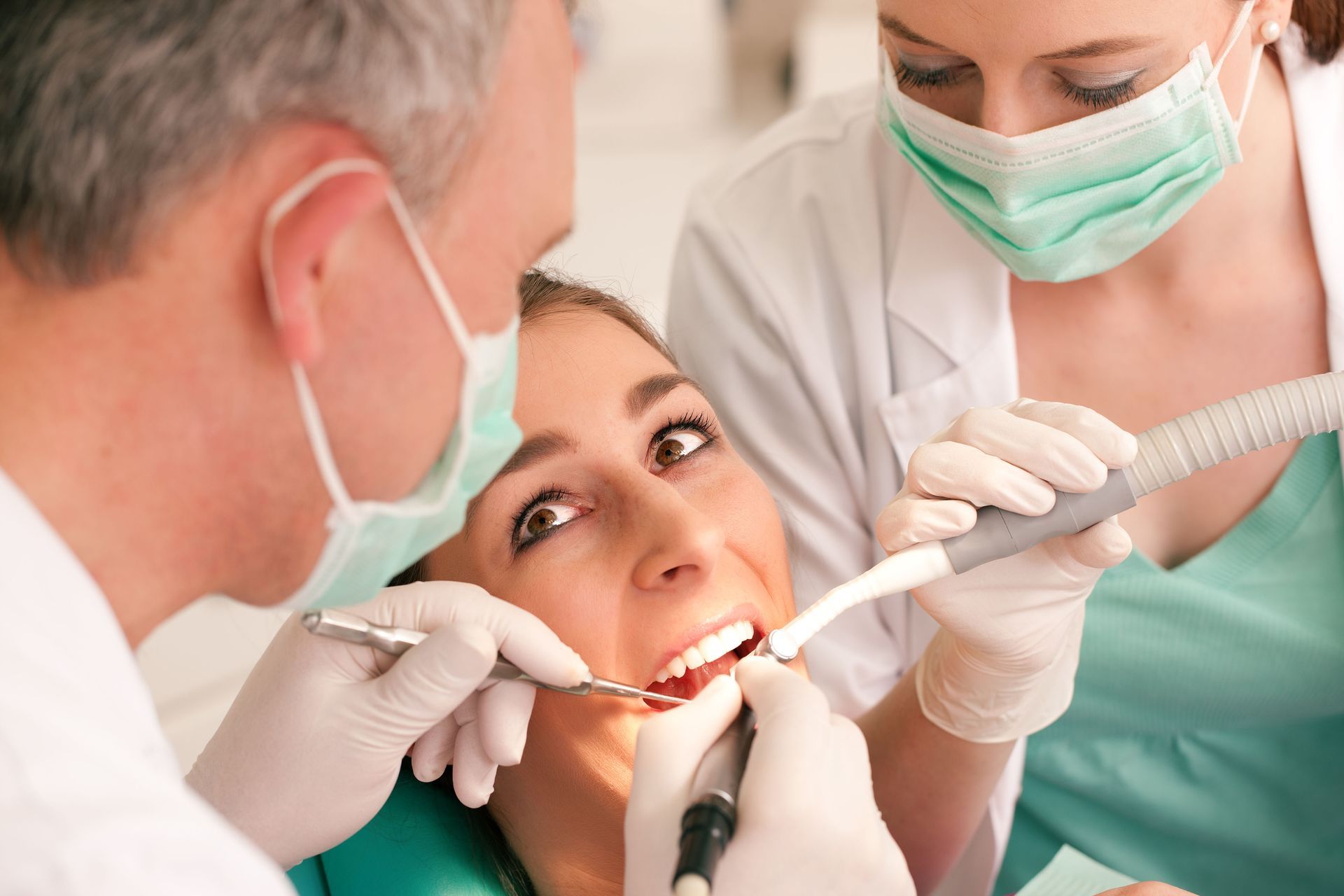
Measuring the space between the soft tissue and the tooth structure is a fundamental technique used during routine visits to assess deep periodontal health. During this procedure, a local dentist uses a specialized instrument known as a periodontal probe to measure the exact pocket depths surrounding each individual tooth. Healthy tissues usually have shallow, tight pocket depths of one to three millimeters, whereas anything deeper indicates that the supportive fibers have begun to detach from the root surface. This measurement is crucial because it provides a reliable, standardized benchmark for determining the exact severity of attachment loss throughout the mouth.
By identifying the precise severity of tissue detachment through probing, clinicians can better understand the extent of the infection beneath the surface. Deep pocket depths not only shed light on current soft tissue health but also point to the high potential for bone loss beneath the visible line. Since hidden bone loss can eventually lead to tooth instability and eventual loss, early detection through probing assists in initiating preventative or corrective measures immediately. Regular dental check-ups remain a critical component in maintaining gum health. According to Forbes, gum disease can be detected early by visiting the dentist once a year for a check-up. Prioritizing these preventive visits can significantly aid in sustaining oral health and overall well-being.
Utilizing Advanced Digital Dental Imaging
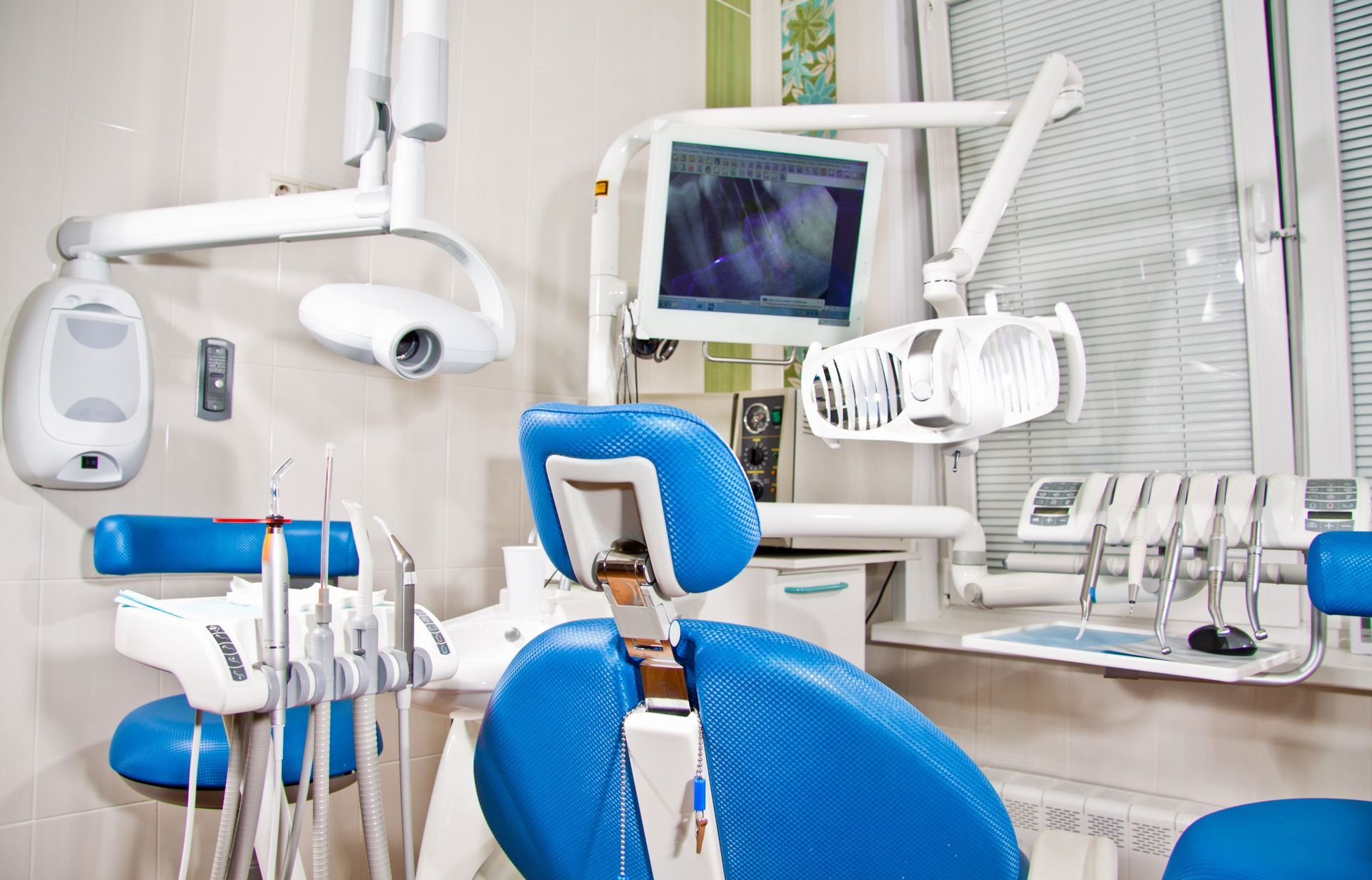
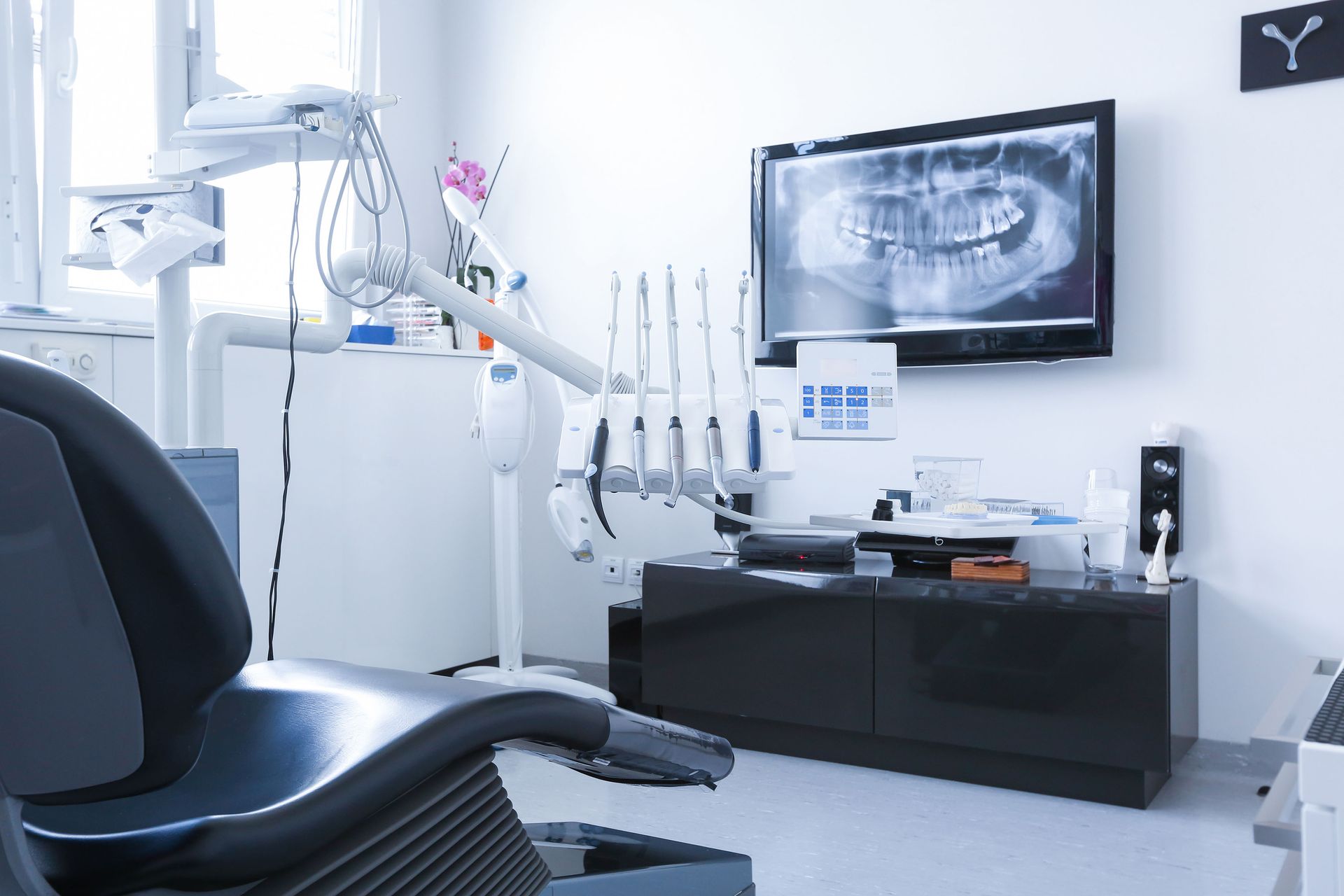
Gathering visual data from beneath the surface is an invaluable part of spotting advanced infections and their hidden structural effects. Digital images allow a local dentist to detect significant bone loss in deep regions that are completely invisible during a standard visual inspection. Bone loss is a major indicator of advanced periodontal conditions, and timely detection is absolutely crucial for preserving long-term tooth stability and function. Images can also reveal hidden abscesses or deep infections that lead to dangerous fluid accumulation well beyond the view of a traditional clinical exam.
Furthermore, these specialized images assist in identifying subtle structural changes in the teeth, such as sudden displacement or a widening of the periodontal ligament space. These internal changes might be symptomatic of shifting teeth due to a lack of dense bone support or hidden physical trauma. Early intervention in such cases can prevent permanent dental structure changes and minimize the risk of total tooth loss. Comparing current and past images aids in diagnosing the precise rate and extent of disease progression, offering a clear visual timeline of structural deterioration or stability.
Analyzing Oral Microbiomes and Pathogens
Identifying the specific microscopic culprits behind an infection emerges as a powerful diagnostic technique that reveals exactly what is causing the tissue breakdown. Practitioners collect localized plaque samples from the deepest pockets to understand the unique microbial composition present inside a patient's mouth. Harmful bacteria prevalent in these samples, such as Porphyromonas gingivalis, contribute significantly to chronic tissue destruction when left unaddressed. Through targeted microbial testing, a local dentist can customize treatment plans that specifically target the unique bacterial strains causing the most damage in a specific mouth. This highly personalized approach enhances overall treatment efficacy, drastically reducing the likelihood of future disease progression.
Analyzing the microbial composition within the oral environment reveals valuable insights that standard visual inspections simply cannot provide. Clinicians compare these test results with known bacterial profiles to determine active infection levels and future risk potential. By identifying the specific pathogenic load, professionals can adjust their therapeutic interventions to curb bacterial growth and restore a healthy, balanced oral environment. Techniques like bacterial DNA testing provide precise and reliable results for a much more accurate overall diagnosis. This empirical data guides the clinical team in implementing systemic or localized treatments far more effectively, ensuring the root cause of the inflammation is completely eliminated.
The successful management of periodontal health relies heavily on utilizing a diverse array of evaluative tools to catch infections before they cause permanent damage. By combining traditional physical examinations with modern diagnostic methods, a local dentist is fully equipped to effectively identify gum disease at its earliest, most manageable stage. Early detection remains the single most important factor in preventing severe complications, ensuring comprehensive oral health care, and facilitating timely treatment that saves natural teeth. Waiting until pain or loose teeth develop usually means the condition has already caused irreversible damage to the bone structures supporting the mouth.
Maintaining a healthy mouth requires continuous partnership and a commitment to preventive care that goes beyond daily brushing and flossing routines. If it has been a while since your last comprehensive oral examination, it is time to take a definitive step toward protecting your smile and your overall bodily wellness. Reach out to the professional team at Shoreview Dental to schedule your next complete periodontal evaluation and cleaning. Let a
local dentist provide the thorough assessment, advanced imaging, and personalized care strategy you need to keep your teeth strong and your gums vibrant for a lifetime.





Share On: